Harnessing the natural filtration abilities of bivalves has been shown to significantly reduce the concentration of microplastics in rivers and waterways.
In recent years, microplastics have emerged as a significant environmental concern. These tiny plastic particles, measuring less than five millimeters, have been detected in drinking water, food, and even the air we breathe. The long-term health effects of microplastics are still being studied, but their pervasiveness in everyday life is a growing concern.
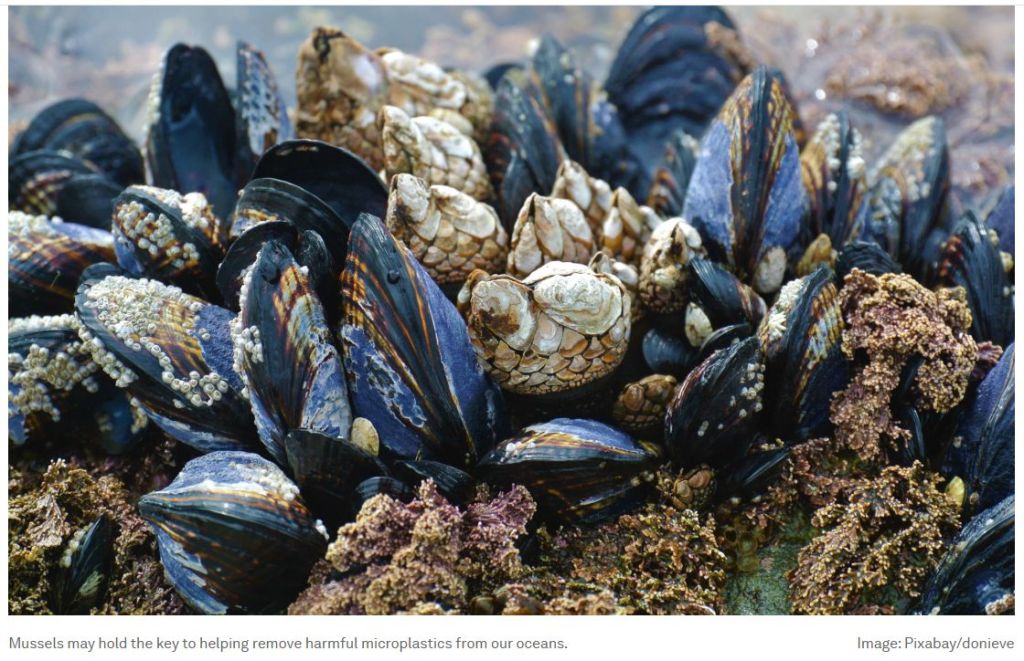
From Jewels to Environmental Heroes: Pearl Farms Combat Microplastics
Traditionally celebrated for their purity and beauty, pearls, and the mussels that create them, are now being recognized for their potential in filtering microplastics from aquatic environments. Bivalves can capture and retain particles as tiny as four micrometers on their gills. By filtering large volumes of water daily, pearl mussels can significantly reduce the concentration of microplastics that threaten the ecology. This natural filtration process not only contributes to cleaner water but also showcases the potential of bioremediation using aquatic organisms to combat environmental pollution.
The Billion Oyster Project: Revitalizing the Hudson River
The Billion Oyster Project (BOP) is a bold initiative dedicated to restoring oyster reefs in New York Harbor, particularly focusing on the Hudson River. Launched in 2014, the project aims to reintroduce one billion oysters and create 40 hectares of habitat in the harbor by 2035. This endeavor not only seeks to revive the historically abundant oyster population but also to enhance water quality and promote marine biodiversity. The project also focuses on public education, involving students, volunteers, and community scientists in restoration activities. To date, the project has restored over 100 million oysters and engaged thousands of individuals in environmental stewardship.
Sustainable Solutions: Pearl Farms as Microplastic Filters
Freshwater pearls have been harvested for thousands of years, with significant production in North America during the late 19th and early 20th centuries. In the fight against microplastic pollution, pearl farms offer an innovative and sustainable solution. The integration of bioremediation practices within pearl farming not only enhances the quality of our water systems but also promotes a healthier ecosystem for marine life.
As research and technology continue to advance, the potential for pearl farms to mitigate microplastic pollution becomes increasingly promising. By supporting and expanding these initiatives, we can make strides towards cleaner waterways and a more sustainable future.
Sources and related content
- https://www.billionoysterproject.org/ecosystem-engineers
- https://www.weforum.org/stories/2022/11/how-mussels-can-reduce-the-impact-of-microplastics/
- https://en.wikipedia.org/wiki/Microplastics
- https://www.ciel.org/breathing-plastic-the-health-impacts-of-invisible-plastics-in-the-air/
- https://phys.org/news/2021-03-filter-feeding-bivalves-microplastics.html
- https://youtu.be/90rpC-f8UQ8
- https://www.gia.edu/gems-gemology/fall-1984-pearls-sweaney
- https://youtu.be/yyp2e3b6I8Q
- https://www.nature.org/content/dam/tnc/nature/en/documents/Pearl_Case_Study_TNC_web.pdf
- https://www.sustainablepearls.org/pearls/freshwater-cultured-pearls/?form=MG0AV3
- https://www.science.org/content/article/mussel-poop-may-help-clear-oceans-microplastics
- https://oceanservice.noaa.gov/podcast/sep20/nop39-microplastic-mussels-part-one.html
- https://en.reset.org/mussel-power-can-molluscs-help-clean-up-the-microplastic-crisis-2/
 Actionable Results
Leave a comment